
Arrian
Greek historian, philosopher, and governor of Cappadocia.

Arrian · Public domain
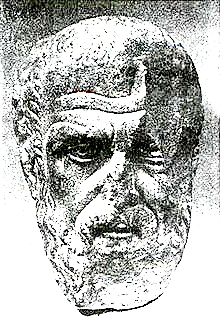
Arrian (c. 86/89 – c. He is best known for his work the Anabasis of Alexander, which is considered the best source on the campaigns of Alexander the Great. Scholars have generally preferred Arrian to other extant primary sources, though this attitude has changed somewhat in light of modern studies into Arrian's method.
- born
- c. 86/89 AD, Nicomedia (present-day İzmit)
- field
- History, philosophy, military command
- nationality
- Greek (Roman citizen)
- known_for
- Anabasis of Alexander, Discourses of Epictetus, Enchiridion of Epictetus
Lore & Background
Arrian was born in Nicomedia, the provincial capital of Bithynia, into the Greek provincial aristocracy. His full name, L. After Epirus, he went to Athens, where he became known as the 'young Xenophon' due to the similarity of his relationship to Epictetus as Xenophon had to Socrates.
Reader's Guide
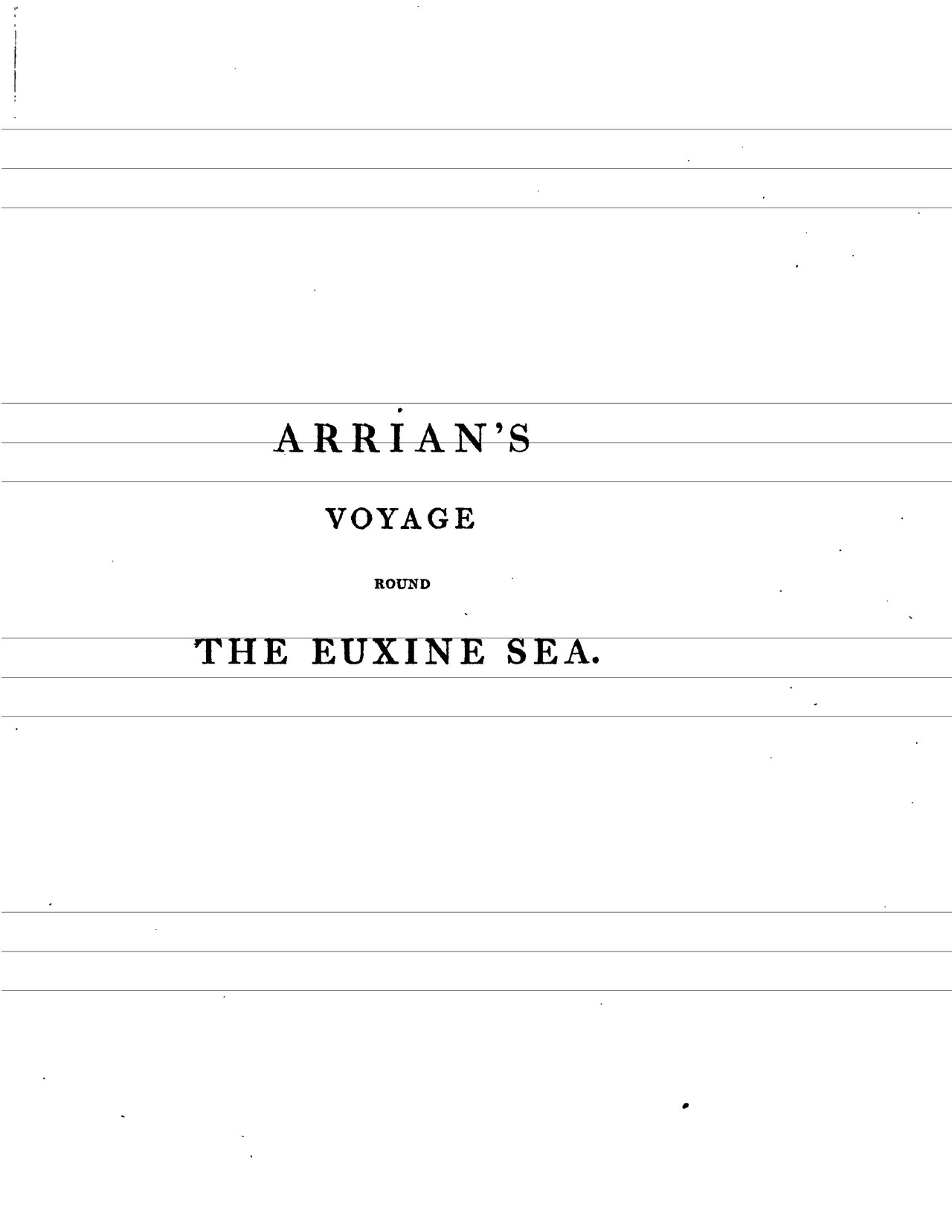
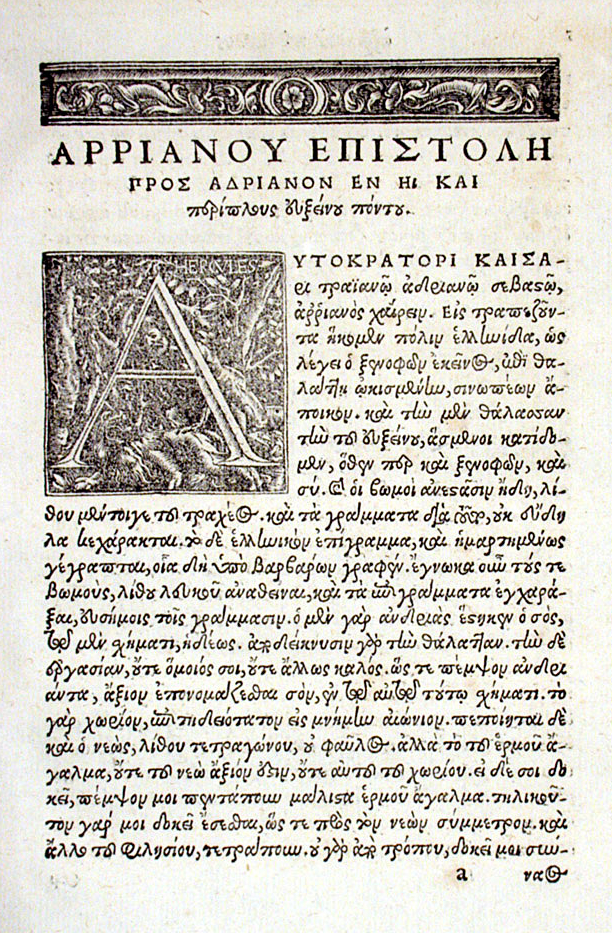
Arrian's significance lies primarily in his historical writings, especially the Anabasis of Alexander, which remains the most authoritative ancient account of Alexander the Great's campaigns. His works on Epictetus preserved the teachings of that Stoic philosopher for posterity. His literary output included eight extant works, among them the Indica, Periplus of the Euxine Sea, and Techne Taktike, a treatise on Roman cavalry tactics. Arrian's self-identification as 'the second Xenophon' reflects his emulation of that earlier historian and his own reputation as a learned and esteemed figure. Modern scholarship has reassessed his methods, but his works remain essential sources for the history of the Roman Empire and Alexander's conquests.
Did You Know?
- Arrian was a pupil of the Stoic philosopher Epictetus and published the Encheiridion (Handbook) of his philosophy.
- His work Anabasis of Alexander is considered the best source on the campaigns of Alexander the Great.
- Arrian was known as 'the second Xenophon' because of his relationship with Epictetus, similar to Xenophon's with Socrates.
Gallery

Frequently Asked Questions
Who is Arrian?
Arrian was a Greek-born Roman citizen who lived roughly from the late first century to the mid-second century AD. He worked as a historian, philosopher, military officer, and provincial governor. He was born in Nicomedia, a city in what is now Turkey.
What is Arrian's most famous work?
His Anabasis of Alexander remains the go-to ancient text for understanding Alexander the Great's military campaigns. Scholars have long regarded it as the most reliable surviving account of those expeditions, though modern research has prompted some reassessment of his methods.
What was Arrian's role in the Roman government?
Beyond his literary and philosophical output, Arrian served as a military commander and held the governorship of Cappadocia. This dual career as both a public official and a writer was not uncommon among educated Greeks in the Roman imperial period.
How is Arrian connected to the philosopher Epictetus?
Arrian was a student of Epictetus and took down his teacher's spoken teachings. He compiled these into the Discourses of Epictetus and the shorter Enchiridion, which became the primary surviving records of that Stoic philosopher's thought.
Why do scholars still prefer Arrian for studying Alexander the Great?
For centuries, Arrian's Anabasis was treated as the gold standard among extant ancient sources on Alexander's eastern campaigns. While newer scholarship has complicated that picture by examining his sources and methods more closely, his work still occupies a central place in the field.
More in Ancient And Medieval Historians And Philosophers 1-18
Spotted an error? Know more?
This is a living reference — every entry is fact-audited, and reader corrections feed straight into our audit queue. Suggest an edit · See this site's audit record